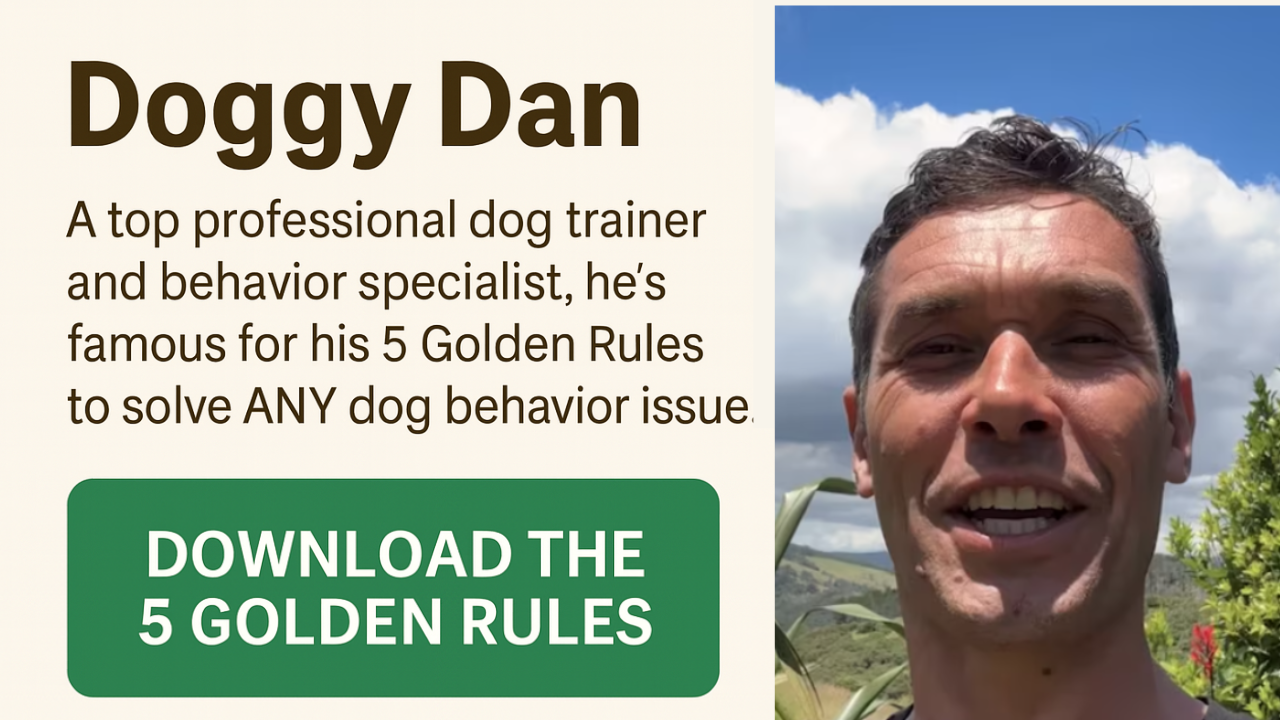
Dog behavior can reveal what a dog needs, feels, wants, or may be struggling with. Common behaviors like licking, digging, whining, begging, eating poop, anxiety, hyperactivity, and destructive chewing often have understandable causes, and learning what they mean can help dog owners respond more calmly and effectively.
In this post, you’ll learn what common dog behaviors mean, when they may point to a health or anxiety issue, and what simple steps can help manage unwanted behavior at home. Some of these behaviors are harmless — but others can quickly become frustrating or overwhelming if the cause isn’t understood.
In this post, we’ll cover:
- Why dogs lick people
- Why does lick their paws excessively
- Dog anxiety and hyperactive behavior
- Why dogs eat grass and poop
- Whining, begging, and attention-seeking behavior
- Fearful dogs and nervous behavior
- Digging and destructive behavior
Why Dogs Behave the Way They Do
Dogs use body language, habits, sounds, and repeated behaviors to communicate. Some behaviors come from natural instincts, while others develop because they have been accidentally rewarded over time.
For example, a dog may beg because it has received table food before. A dog may dig because digging feels natural, relieves boredom, or creates a cool resting spot. A dog may whine because it wants attention, feels anxious, needs to go outside, or is uncomfortable.
Understanding the reason behind the behavior makes it easier to respond in a way that helps the dog instead of simply reacting out of frustration.
Why Do Dogs Lick People?
Dogs often lick people to show affection, seek attention, express excitement, or communicate comfort. Puppies lick their mothers, and many dogs carry that social behavior into their relationships with people.
Licking can also become attention-seeking if the dog learns that licking gets a response. Occasional licking is usually normal, but obsessive licking may be a sign of anxiety, stress, or a medical concern.
For more information, read my post, Why Do Dogs Lick People? (includes video)
Why Do Dogs Lick Their Paws Excessively?
Excessive paw licking can be caused by allergies, skin irritation, pain, insect bites, boredom, anxiety, or infection. If a dog is licking one paw repeatedly, check for redness, swelling, cuts, or anything stuck between the toes.
If paw licking is frequent, intense, or causing raw skin, it’s best to contact a veterinarian. For more information about dogs licking their paws, read my post, Why Do Dogs Lick Their Paws Excessively? (includes video)
Dog Anxiety: What It Looks Like
Dog anxiety can show up as whining, pacing, trembling, hiding, panting when it’s not hot, following people from room to room, barking, destructive chewing, or having accidents in the house.
Common triggers include thunderstorms, fireworks, being left alone, changes in routine, new people, new pets, or unfamiliar environments. Mild anxiety may improve with routine, calm handling, exercise, and a safe resting area. More serious anxiety may require help from a veterinarian, certified trainer, or behavior professional.
For help dealing with dog anxiety, read my post, What is Dog Anxiety? (includes video) and How to Calm Dogs with Anxiety (includes video).
Hyperactivity in Dogs
A hyper dog may jump, bark, zoom around the house, mouth people, struggle to settle, or react strongly to every sound or movement. Some dogs are naturally energetic, but hyperactivity can also come from boredom, lack of exercise, too little mental stimulation, or inconsistent routines.
Daily walks, sniffing games, puzzle toys, training sessions, and structured play can help a dog use energy in a healthier way. The goal is not to exhaust the dog, but to create a calmer routine that includes both activity and rest.
If you feel like your dog may be a bit (or a lot!) hyper, read my post, How to Calm a Hyper Dog (includes video).
Why Do Dogs Eat Poop?
Eating poop, also called coprophagia, is unpleasant but fairly common. Dogs may do it because of habit, curiosity, boredom, stress, hunger, attention-seeking, or access to stool in the yard or on walks.
Cleaning up quickly, supervising outdoor time, teaching a strong “leave it” cue, and making sure the dog is getting proper nutrition may help. If the behavior is new, frequent, or intense, a vet visit is a good idea to rule out medical or dietary causes.
For help on this issue, read my post, How to Stop a Dog from Eating Poop (includes video).
Why Do Dogs Eat Grass?
Dogs may eat grass for several reasons, and in many cases, it’s completely normal behavior. Some dogs eat grass out of boredom, curiosity, or because they enjoy the taste or texture. Others may do it to help soothe mild stomach discomfort.
There is a common belief that dogs eat grass to make themselves vomit, but most dogs who eat grass do not actually throw up afterward. Occasional grass eating is usually not a concern, as long as the grass has not been treated with pesticides, fertilizers, or other chemicals.
If a dog is eating grass frequently, vomiting often, or showing other signs such as lethargy, loss of appetite, or diarrhea, it may be a good idea to consult a veterinarian to rule out digestive or nutritional issues.
For help on this issue, read my post, Why Do Dogs Eat Grass? (includes video) and check out this free tutorial called, The Science Behind Why Dogs Eat Grass.
Why Dogs Whine
Whining can mean a dog wants attention, needs to go outside, feels anxious, is excited, or may be uncomfortable. The first step is to check for obvious needs, such as water, bathroom access, pain, fear, or hunger.
If the dog is healthy and safe, avoid rewarding constant whining with attention every time. Instead, reward calm behavior so the dog learns that quiet behavior works better.
For help on how to stop this behavior, read my post, How to Stop Dog Whining (includes video).
Fearful Dogs and Nervous Behavior
Fearful dogs may hide, tremble, freeze, tuck their tail, flatten their ears, avoid eye contact, bark defensively, or try to escape. Fear can come from genetics, lack of socialization, past experiences, pain, or sudden changes.
Never force a fearful dog into a scary situation. Slow exposure, patience, distance, treats, praise, and a safe space can help build confidence over time. Don’t punish your dog for being fearful. It’s your job as a pet owner to find out why it’s happening and help your dog, not punish them.
To find out why your dog is fearful and how to help your dog, read my post, Help Your Fearful Dog (includes video)
Why Dogs Dig
Dogs may dig because they are bored, hot, anxious, trying to escape, following a scent, hiding something, or simply enjoying the activity. Digging is a natural dog behavior, but it can become a problem when it damages the yard or becomes obsessive.
More exercise, enrichment toys, supervision, and a designated digging area can help redirect the behavior.
For help understanding why your dog is digging and to learn how to stop it, read my post, How to Stop Your Dog’s Digging (includes video).
Destructive Behavior in Dogs
Destructive behavior may include chewing furniture, tearing pillows, shredding shoes, scratching doors, or getting into garbage. This often happens because of boredom, excess energy, teething, separation anxiety, stress, or lack of appropriate chew outlets.
Safe chew toys, puzzle feeders, exercise, crate training when appropriate, and a consistent routine can help. If destruction happens mainly when the dog is alone, separation anxiety may be involved.
If your dog is ruining all your stuff, read my post, How to Stop Your Dog from Destroying Your House (includes video).
Begging and Attention-Seeking Behavior
Begging usually happens because it has worked before. If a dog gets food from the table even once in a while, the dog learns that begging is worth trying.
To reduce begging, avoid feeding from the table, reward calm behavior away from the dining area, and keep rules consistent. Everyone in the household should follow the same rules, or the behavior will continue.
If your dog’s begging is becoming problematic, read my post, How to Stop Your Dog from Begging.
Solving Dog Behavior Issues
Some dog behaviors can be managed with small adjustments, but others require more focused training, routine changes, or even professional support. If your dog is struggling with a specific issue, take the time to explore the detailed guides linked throughout this post for step-by-step help tailored to that behavior.
Also check out my guide, Common Pet Behaviors Explained.
Frequently Asked Questions About Dog Behavior
How Can I Tell If My Dog’s Behavior Is Normal? Most dog behaviors are normal when they happen occasionally and in context. Behavior becomes a concern when it is excessive, sudden, or interferes with daily life.
Can Dog Behavior Improve With Training? Yes, most behavior issues improve with consistent, positive training, clear routines, and proper exercise. Some behaviors may also require professional guidance. You can read about my top recommendation for dog training here.
Do Dogs Grow Out of Bad Behavior? Some behaviors improve with age, but many will continue or worsen if they are unintentionally reinforced. Training and consistency are usually needed.
What Is the Most Common Cause of Behavior Problems in Dogs? The most common causes are lack of exercise, boredom, inconsistent training, and anxiety. Identifying the root cause is key to improving behavior.
When Should Dog Behavior Be Checked by a Vet? Any sudden, severe, repetitive, painful, or unusual behavior should be discussed with a veterinarian.

Understanding Dog Behavior Helps Create a Calmer Home
Understanding dog behavior helps owners respond with patience instead of frustration. Behaviors like licking, whining, digging, begging, hyperactivity, anxiety, eating poop, and destructive chewing usually have a reason behind them. When dog owners learn what those behaviors mean, they can address the real cause instead of only reacting to the symptom.
A calmer dog often starts with clear routines, positive training, proper exercise, mental stimulation, and attention to possible health concerns. The more we understand what dogs are trying to tell us, the more patient, compassionate, and helpful we can be.
For more help, read this article from the ASPCA about common dog behaviors.
💬 Did this help you? If you have a question, helpful tips, or even a struggle related to this topic, please leave a comment below — it helps other readers more than you know.

Pin It For Later!