A new puppy needs proper nutrition, veterinary care, training, socialization, sleep, and a consistent daily routine to grow into a healthy and well-behaved adult dog. Learning how to take care of a puppy also involves preparing your home, puppy-proofing dangerous areas, and understanding your puppy’s emotional and physical needs during the first few months.
In this post, you’ll learn how to prepare for a new puppy, establish healthy routines, feed your puppy properly, puppy-proof your home, prepare for your puppy’s first vet visit, and begin training your puppy successfully. You’ll also see links to posts with step-by-step instructions and each post contains a video as well.
First – Grab Your Free Puppy Essentials Checklist!
What Does a Puppy Need During the First Few Weeks?
The first few weeks with a new puppy are extremely important. Puppies are adjusting to a completely new environment, new people, and often the stress of being separated from their mother and littermates. Creating a calm, safe, and structured environment can help your puppy feel more secure and confident.
Before bringing your puppy home, it’s important to make sure you have everything ready. This includes food and water bowls, a crate or bed, puppy-safe toys, grooming supplies, and a safe area where your puppy can relax and sleep. You can get detailed instructions in my posts:
- How to Get Ready for a New Puppy Checklist
- Preparing for a Puppy: What to Do Before Bringing Your Puppy Home
- Bringing Your New Puppy Home: Preparing Your Family
Puppy Proofing Your Home
Puppies are naturally curious and tend to explore the world with their mouths. That’s why puppy-proofing your home is so important. Electrical cords, toxic plants, small objects, medications, and certain foods can all pose serious dangers. Setting boundaries early and removing hazards can help prevent accidents and injuries. For more help, visit:
How Often Should You Feed a Puppy?
Proper nutrition plays a major role in your puppy’s growth and development. Puppies need high-quality puppy food specifically formulated for their age and breed size. Most young puppies need to eat multiple small meals throughout the day because they burn energy quickly and are growing rapidly.
You should always ask your veterinarian for advice on feeding your new puppy. Also check out my post:
How Much Do Puppies Sleep?
It’s normal for puppies to sleep a lot. Many new puppy owners worry that something is wrong when their puppy sleeps most of the day, but puppies actually need large amounts of sleep to support healthy development. Rest is just as important as exercise and playtime during puppyhood. Learn more in this helpful post:
Create a Daily Routine for Your Puppy
Creating a daily routine can also make a huge difference in your puppy’s behavior and stress levels. Puppies thrive on consistency. Feeding times, potty breaks, walks, naps, and bedtime should happen on a predictable schedule whenever possible. Routine helps with potty training, reduces anxiety, and helps your puppy understand what to expect each day. You can read more here:
How to Train Your Puppy Correctly
Training should begin as soon as your puppy comes home. Early training helps prevent unwanted behaviors from becoming long-term habits. Puppies learn best through patience, repetition, consistency, and positive reinforcement. Rewarding good behavior with treats, praise, and affection is always much more effective than punishment-based methods.
Basic puppy training includes potty training, crate training, leash walking, socialization, and teaching simple commands such as sit, stay, and come.
For step-by-step instructions on puppy training, read my guides:
*Important note: I know that having a new puppy can be exhausting sometimes. They truly can be a handful! But please remember that the puppy, no matter what they’re doing, is only doing what they’ve learned up to that particular point in time. Be patient! Chances are, your puppy truly wants to make you happy!
It’s our job as pet owners to know how to care for and train our pets. If you’re having difficulty or getting impatient with your puppy’s behavior, get expert help sooner rather than later. Here’s my top recommendation for puppy training.
Affiliate Disclosure: This post contains affiliate links. If you make a purchase, I’ll earn a commission (at no extra cost to you). I donate 10% of my profits to animal charities.
Socializing Your New Puppy
Socialization is especially important because puppies who are exposed to different people, sounds, environments, and experiences at a young age are often more confident and less fearful as adults. All puppies are different when it comes to how confident or fearful they’ll be during the socialization process. Read my post, Socializing a New Puppy for help to do this correctly.
Veterinary Care for Puppies
Veterinary care is another essential part of responsible puppy ownership. Your puppy’s first vet visit will typically include vaccinations, parasite prevention, wellness checks, and guidance on nutrition and behavior.
Staying current with veterinary care helps protect your puppy from preventable diseases and health issues. You should also check into getting pet insurance, especially if you aren’t able to afford an unexpected vet bill. Learn more in these helpful resources:
- First-Time Vet Visit for Your Puppy: How to Prepare and What to Expect
- Compare Pet Insurance the Smart Way
Don’t Forget to Grab Your Free Checklist!
Frequently Asked Questions About Puppy Care
How often should puppies eat? Most young puppies need three to four small meals per day, depending on their age and breed size.
How much sleep do puppies need? Puppies often sleep 18 to 20 hours per day during early development.
When should puppy training begin? Training should begin immediately after bringing your puppy home using positive reinforcement methods.
When should a puppy first see a veterinarian? Puppies should typically have a veterinary visit within the first few days after coming home.
What is the most important part of puppy care? Consistency is one of the most important factors in raising a healthy and well-behaved puppy.
Puppy Care Tips for New Dog Owners
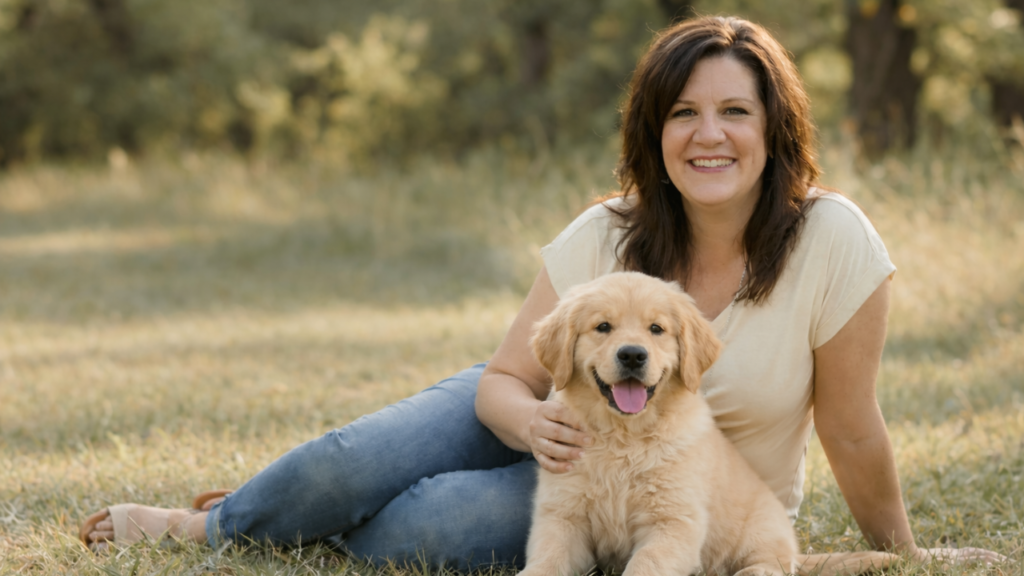
Taking care of a puppy can feel overwhelming at first, especially for first-time dog owners. Puppies require patience, supervision, consistency, and a willingness to learn as they grow and change. The good news is that the effort you put in during puppyhood can have a lasting impact on your dog’s health, behavior, and happiness for years to come.
By preparing your home, establishing routines, feeding your puppy properly, providing veterinary care, and beginning training early, you’ll be giving your puppy the best possible start in life. Small daily habits and consistent care truly make a big difference over time.
Bringing home a puppy is a big responsibility, but it’s also one of the most rewarding experiences for animal lovers. I hope this guide helps you feel more confident and prepared as you begin life with your new puppy.
You might also want to check out this post from the AKC about puppy health and my Complete Pet Care Guide!
💬 Did this help you? If you have a question, helpful tips, or even a struggle related to this topic, please leave a comment below — it helps other readers more than you know.
Pin it for Later!