
Many reactive and aggressive dogs can improve with the right training approach. Success starts with understanding the difference between reactivity and aggression, prioritizing safety, and using calm, owner-led training at home. This guide explains how to train a reactive or aggressive dog step by step using practical, real-world methods that work beyond traditional classes.
This approach is not about quick fixes or forcing obedience, but about helping your dog feel safe enough to make better choices over time.
Later in this post, I’ll recommend a specific, effective training program for reactive and aggressive dogs you can use at home. You can check it out here. You can also watch a free webinar about dog reactivity here.
This post contains affiliate links. If you make a purchase, I’ll earn a commission (at no extra cost to you). I donate 10% of my profits to animal charities.
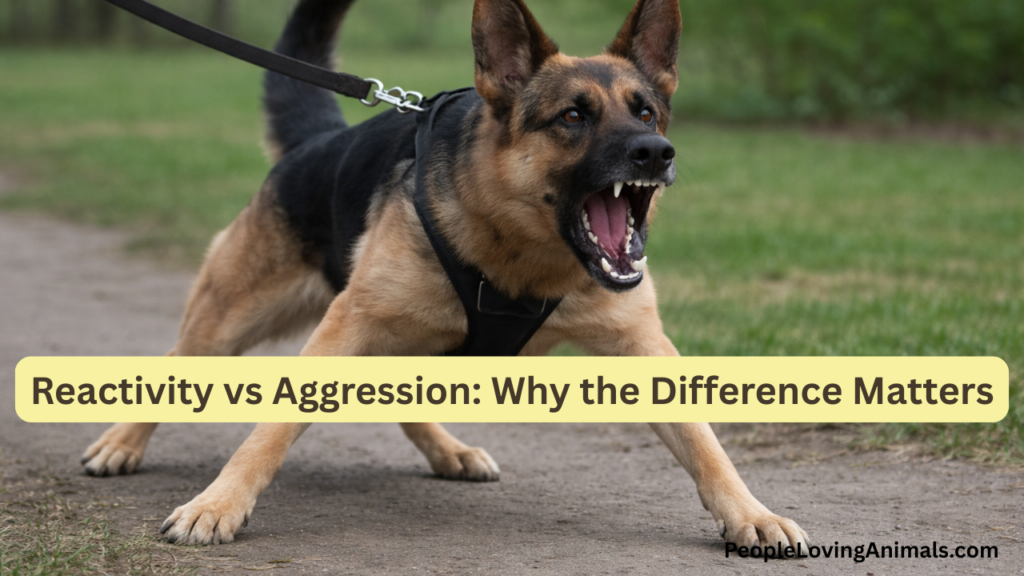
Reactivity vs Aggression: Why the Difference Matters
Although the terms are often used interchangeably, reactivity and aggression are not the same — and confusing them can lead to the wrong training approach.
What Is Dog Reactivity?
Reactivity refers to an overreaction to specific triggers. These reactions may include barking, lunging, growling, freezing, whining, or pulling on the leash.
Common triggers include other dogs, strangers, bicycles, cars, doorbells, or unfamiliar environments. Reactivity is usually driven by fear, frustration, overstimulation, or lack of emotional regulation — not a desire to cause harm.
What Is Dog Aggression?
Aggression involves behaviors intended to create distance or protect resources. This can include snapping, biting, or repeated attempts to threaten or control a situation.
Aggression is often rooted in fear, past experiences, poor coping skills, or learned responses — not dominance or a “bad temperament.”
For more details about the difference between dog aggression and dog reactivity, read my post, Dog Aggression vs Reactivity.
Why Labels Can Be Misleading
Many dogs labeled as “aggressive” are actually reactive dogs stuck in a cycle of escalating stress. Without addressing the emotional cause, obedience commands alone rarely resolve the behavior.
Some owners, out of fear and confusion, will refer to their dog as “reactive,” when in fact the behavior has escalated to aggression.
Regardless of the label used, progress depends on addressing the dog’s underlying emotional state rather than the surface behavior.
Safety and Management Always Come First
Management refers to preventing repeated reactions by controlling distance, environment, and exposure while your dog is learning new coping skills. Before working on behavior change, safety must be addressed. Training cannot succeed if a dog is repeatedly pushed over threshold.
Immediate Safety Steps
-
- Use secure equipment that prevents escape or accidental bites
- Avoid known triggers whenever possible during early training
- Create physical distance from people or dogs your dog reacts to
- Manage the environment rather than testing your dog prematurely
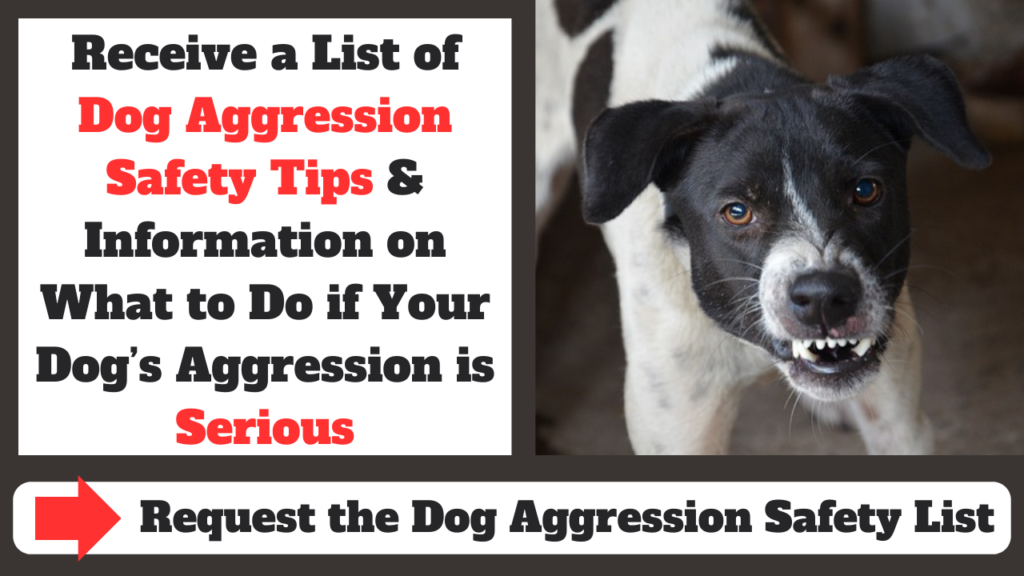
Management is not failure. It is a necessary foundation that allows learning to happen. For specific safety tips you can use whether your dog is reactive or aggressive, read my post, Help with Dog Aggression (includes printable list of safety tips which you can request above).
Also check out my post, How to Stop a Dog from Being Aggressive (includes video) for more aggression management information.
Why Exposure Alone Doesn’t Fix Reactivity
Repeatedly exposing a dog to triggers without teaching emotional regulation often reinforces the problem. Each reactive episode strengthens the habit. Real progress comes from helping your dog feel calmer, safer, and more in control — not from forcing them to “get used to it.”
Why Traditional Training Often Fails Reactive Dogs
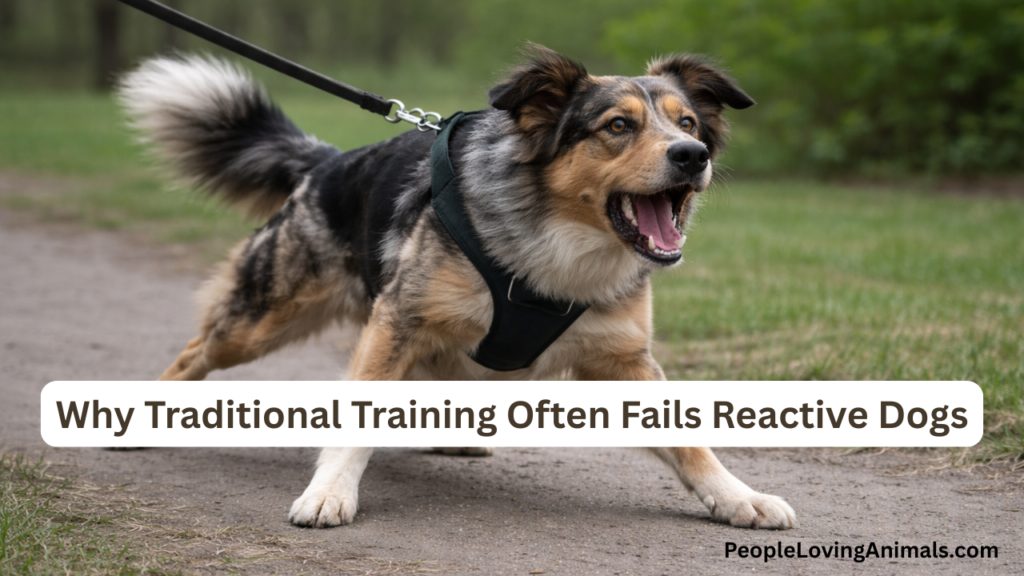
Many owners seek help through obedience classes or correction-based methods. While these approaches may suppress behavior temporarily, they often fail to address the underlying emotional state driving reactivity or aggression.
The Limits of Obedience Commands
Commands like sit, heel, or leave it require a dog to already be calm enough to listen. A reactive dog over threshold is neurologically unable to respond reliably.
Why Punishment Can Increase Aggression
Corrections may stop outward behavior, but they often increase internal stress. This can lead to shutdown, delayed reactions, or more intense outbursts later. Effective training focuses on changing how the dog feels — not just how they behave.
The Foundation of Owner-Led, At-Home Training
For many reactive or aggressive dogs, owner-led training at home is not only effective — it is necessary.
Calm Leadership Over Control
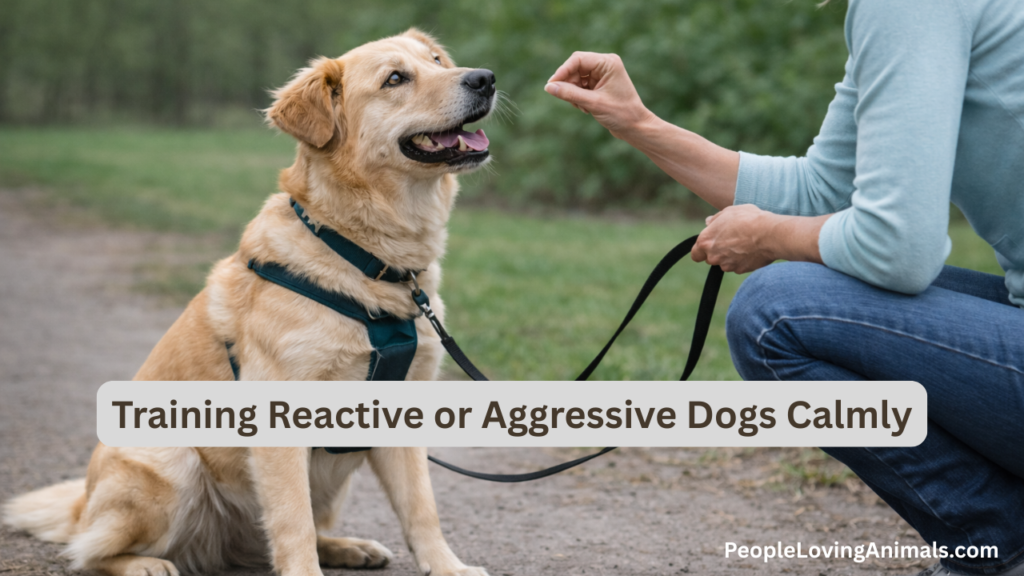
Dogs look to their owners for cues about safety. Calm, consistent leadership helps reduce uncertainty and anxiety. This does not mean dominance or force. It means clarity, predictability, and emotional stability.
Teaching Emotional Regulation
Reactive dogs must learn how to calm themselves before they can make better choices.
Training should focus on:
-
- Lowering overall stress levels
- Interrupting reactive thought patterns early
- Replacing panic responses with calm behaviors
Why Training at Home Works Better
Home-based training allows you to control triggers, pace progress, and practice in real-life situations — not just artificial training settings. Consistency matters more than intensity.
A Clear, Step-by-Step Training Approach
Step 1: Reduce Stress Before Teaching New Skills
Lower stimulation, increase rest, and simplify your dog’s environment. A calmer baseline makes learning possible.
Step 2: Interrupt Reactive Patterns Early
Learning to spot early warning signs allows you to intervene before a full reaction occurs.
Step 3: Teach Calm Alternatives
Dogs need a replacement behavior that feels safe and rewarding. Calm choices must become more comfortable to your dog than reactive ones.
Step 4: Gradually Reintroduce Triggers
Progress should be slow, controlled, and intentional. Success is measured by calm exposure — not endurance.
Choosing One Proven Training Solution
When working with reactivity or aggression, simplicity matters. Using one structured, emotion-focused training approach is far more effective than mixing methods.
The most successful programs share these qualities:
-
- They focus on calmness first
- They are owner-led and home-based
- They address your dog’s emotional state, not just obedience
- They work for real-life situations
Recommended Training Program
My top recommendation for help with dog reactivity and aggression is this program from Professional Dog Trainer and Behavioral Specialist, Doggy Dan. I’ve been recommending Doggy Dan’s training programs for more than 10 years because his methods are kind, effective and easy for dog owners to follow.
This program aligns with the principles outlined above and is designed specifically for dogs struggling with reactivity or aggression when traditional methods haven’t worked.
It provides a clear path forward without overwhelming owners or relying on force-based techniques.

What Progress Really Looks Like
Improvement is not always linear. Setbacks happen. What matters is reduced intensity, faster recovery, and growing trust between you and your dog. Small wins compound over time.
Final Thoughts
Training a reactive or aggressive dog is not about fixing a “bad dog.” It’s about helping a stressed dog learn to feel safe again — and giving owners a plan that actually works.
With patience, consistency, and the right approach, many dogs once labeled as “untrainable” can become calmer, more confident companions.
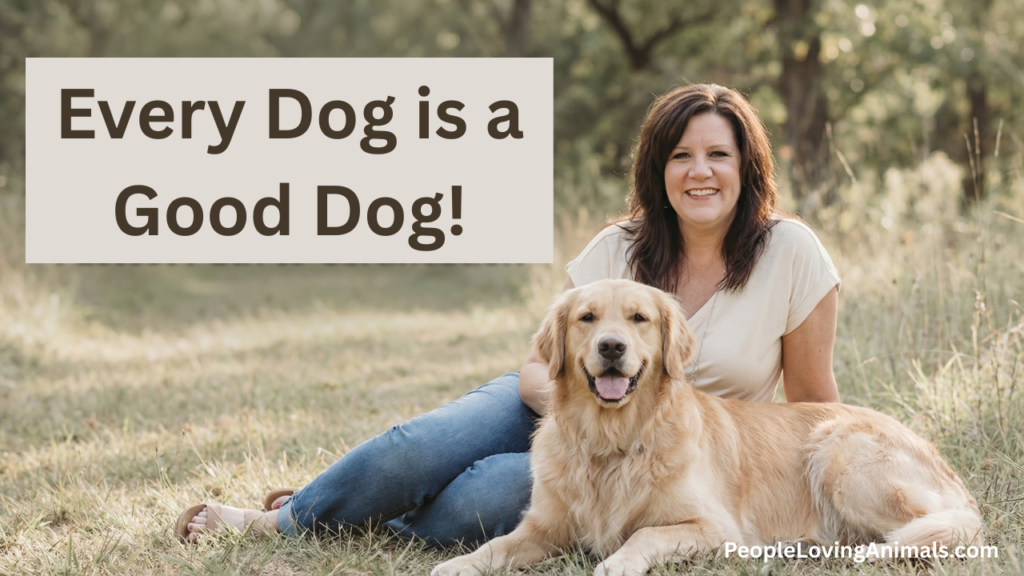
From one dog lover to another, know that you’re not alone — and you’re doing the right thing by looking for answers. And I agree with Doggy Dan when he says there’s no such thing as a bad dog. No matter how mean or nasty or out of control your dog’s behavior, please know this: this sort of behavior is always (always) rooted in some form of fear.
Your dog needs you. Following the steps in Doggy Dan’s training is the most kind, loving thing you can do for your dog. And for you! You’re a good dog owner. You can do this!
For more help understanding dog reactivity, read my Dog Reactivity Guide.
More Information About Dog Reactivity
- Understanding and Solving Dog Reactivity
- Dog Training for Leash Reactivity
- Dog Aggression vs. Reactivity
- How to Train a Reactive or Aggressive Dog
For More Help With Dog Aggression
- What is Dog Aggression? Dog Behaviorist Explains
- Why Your Dog Thinks Aggression is Necessary
- Why is My Dog Suddenly Aggressive?
- Dog Aggressive Toward Other Dogs?
- Dog Aggressive Toward People?
- Fear Aggression Dog Training
- Dog Food Aggression Training
- Stop Dogs Fighting: 7 Ways to Stop It and How to Prevent It
- What to Do (and NOT Do) if an Aggressive Dog Approaches You
- Why Do Dogs Growl? When It's Normal and When It's NOT
Also check out this post from the American Kennel Club called, Reactivity vs Aggression. The AKC article explains that reactivity is an over-response to triggers, while aggression involves behavior intended to create distance or harm, and highlights the importance of training and management.
Reactive and Aggressive Dog Training FAQ
Question: Can reactive or aggressive dogs really improve? Yes. Many reactive or aggressive dogs show significant improvement when training focuses on emotional regulation, calm leadership, and gradual exposure rather than punishment or forced obedience.
Question: Is aggression the same as dominance? No. Aggression is most often rooted in fear, stress, or learned responses, not dominance or a desire to control.
Question: Should I take my reactive dog to group classes? Group classes often move too fast for reactive dogs. Many dogs make better progress with owner-led training at home before working around other dogs.
Question: How long does it take to see progress? Progress varies, but early improvements often show up as reduced intensity, faster recovery, and fewer reactions rather than immediate calm behavior.
💬 Did this help you? I read and reply to every comment. If you have a question, helpful tips, or even a struggle related to this topic, please leave a comment below — it helps other readers more than you know.
Pin for Later!