
In this post, we’ll look at why dogs become aggressive toward other dogs, why leash aggression is so common, what can happen between dogs living in the same home, and how the right training can help.
Dog aggression toward other dogs can be stressful, embarrassing, and sometimes dangerous. Whether your dog barks and lunges on walks, reacts badly when another dog gets too close, or fights with another dog in your home, dog-on-dog aggression needs to be taken seriously.
The good news is that dogs who act aggressively toward other dogs are not “bad.” Many are afraid, frustrated, overstimulated, protective, insecure, or unsure about how to handle the situation. Once you understand what is happening, you can start making safer, smarter decisions for your dog.
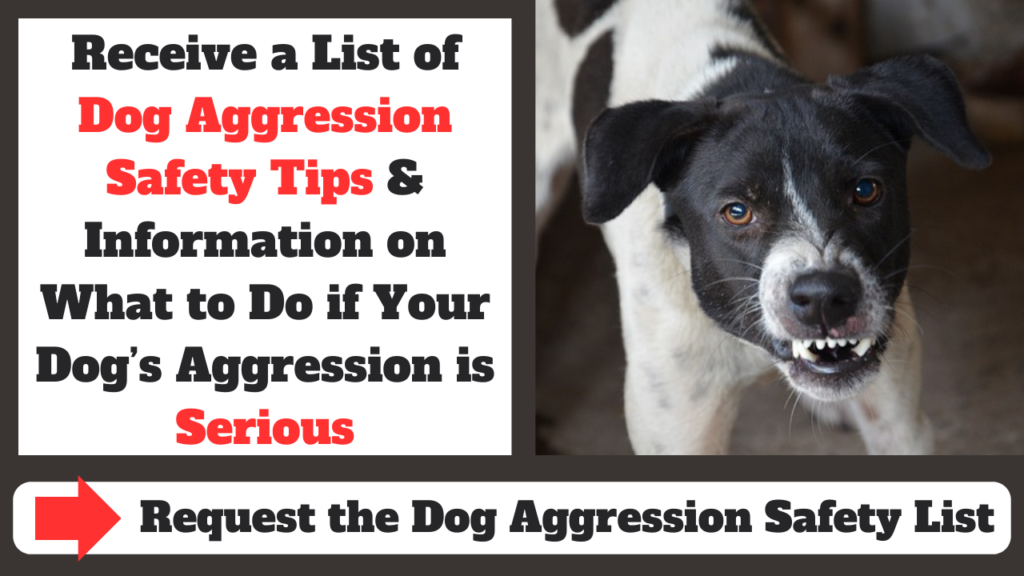
Grab my free list of dog aggression safety tips if you feel like your dog’s aggression is serious:
Affiliate Disclosure: This post contains affiliate links. If you make a purchase, I’ll earn a commission (at no extra cost to you). I donate 10% of my profits to animal charities.
Why Dogs Become Aggressive Toward Other Dogs
Dog aggression toward other dogs can happen for several reasons. Some dogs are afraid of other dogs. Some are frustrated because they want to get closer but can’t. Some are protective of their owner, home, toys, food, or personal space.
Other dogs have had a bad experience in the past and now react defensively before another dog has a chance to get too close.
That’s why it’s so important not to assume your dog is just being mean or stubborn. Aggression is usually your dog’s way of saying, “I don’t feel safe,” “I need space,” or “I don’t know what to do here.” It really is your responsibility as the dog’s owner to understand why it’s happening and deal with it in a way that’s appropriate for your dog.
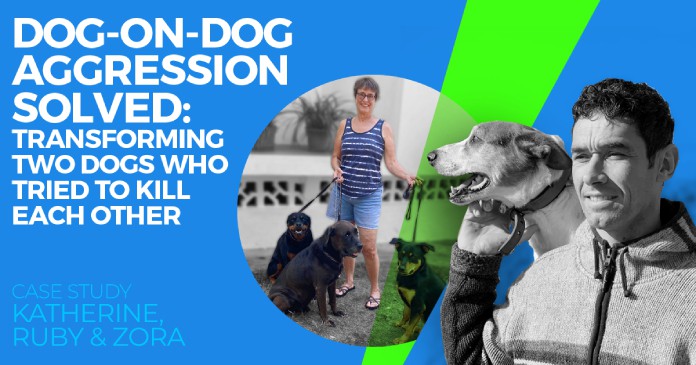
Dog-on-Dog Aggression Solved
Professional Dog Trainer and Behavioral Specialist, Doggy Dan, has a full tutorial about how to stop dog aggression toward other dogs. I think you’ll find it helpful! You can access it here.
In that tutorial, Doggy Dan shares an amazing story from one of his dog training clients who was dealing with dog-on-dog aggression in her home and how she solved the problem. He also discusses why your dog might be exhibiting these behaviors.
Watch My Video: Dog Aggression Towards Other Dogs
In this video, we talk about common reasons why dogs are aggressive toward other dogs and exactly what you can do to stop it.
Dog Aggressive on Walks
Many owners first notice dog-on-dog aggression during walks. Your dog may seem perfectly fine at home but suddenly bark, growl, pull, or lunge when another dog appears down the street.
This can feel humiliating, especially when other people stare or act like your dog is out of control. I experienced this many years ago with my Miniature Dachshund, Maggie. She was ferocious! She’d go nuts whenever she saw another dog approaching. Of course no other dogs were afraid of her because she was so small, but still…
This sort of aggression is extremely common. Walks expose your dog to other dogs, people, traffic, noises, smells, and movement. For some dogs, it’s a lot to process. When another dog appears, especially if it’s an unfamiliar dog, your dog may react because they are scared, excited, frustrated, or overwhelmed.
Dog Aggressive on Leash
Leash aggression is often connected to frustration and restriction. Your dog sees another dog but can’t choose how to approach, retreat, sniff, or create distance. The leash removes options. That lack of control can make some dogs feel trapped or frustrated.
Some dogs bark and lunge because they want the other dog to go away. Others react because they desperately want to get closer and don’t know how to handle the frustration. Either way, the behavior can look intense and scary.
This is one reason punishment can backfire. If your dog already feels trapped or stressed, harsh corrections may make other dogs seem even more unpleasant.
If this is your dog, you might want to read my post, Dog Training for Leash Reactivity for help with dogs who are aggressive on the leash.
Dog Aggressive Toward Other Dogs in the Home
Dog aggression between dogs living in the same home can be especially upsetting because you can’t simply avoid the problem forever. And it’s particularly upsetting if one dog is being bullied by the other. No pet deserves to live in a home where they don’t feel safe.
Dogs in the same household may argue over food, toys, beds, doorways, attention, resting spaces, or access to favorite people. Sometimes both dogs are tense, and sometimes just one. Sometimes a medical issue, aging, or new stress in the home changes the relationship.
If your dogs are fighting, safety has to come first. Separate them when needed, avoid known triggers, and don’t leave them together unsupervised if there is a real risk of injury.
For more help with this specific issue, read Stop Dogs Fighting: 7 Ways to Stop It and How to Prevent It.
Warning Signs Before Dog-on-Dog Aggression Escalates
Dog aggression does not always begin with biting. Many dogs show warning signs first. Watch for stiff body posture, intense staring, growling, raised hackles, freezing, snarling, snapping, or repeated attempts to move away.
Growling is especially important because it is often communication. If your dog growls around other dogs, don’t ignore it and don’t punish it. Instead, use it as information.
And remember it’s not just the aggressive dog that may take action like biting. If the non-aggressive dog feels trapped or is frightened, they may very well bite just out of self-defense.
If you feel like your dog’s aggression is getting serious, read my post, Help with Dog Aggression for lots of tips on keeping everybody safe while you work on controlling your dog’s aggressive behavior.
You also may find my post, Why Do Dogs Growl? When It’s Normal and When It’s NOT helpful.
Don’t Force Your Dog to “Get Used To” Other Dogs
One of the biggest mistakes owners make is forcing an aggressive or reactive dog to be close to other dogs in hopes that the dog will “get used to it.”
That can make the problem worse.
If your dog is already scared, frustrated, or overwhelmed, forcing close contact can confirm that other dogs are stressful. Instead, your dog needs controlled distance, calm exposure, better management, and training that changes how they feel and respond.
The goal is to help your dog feel safe and comfortable enough that they don’t feel the need to explode in the first place.
Training for Dog-On-Dog Aggression
Training for dog-on-dog aggression should focus on helping your dog stay calmer around other dogs, not simply suppressing the barking, growling, or lunging.
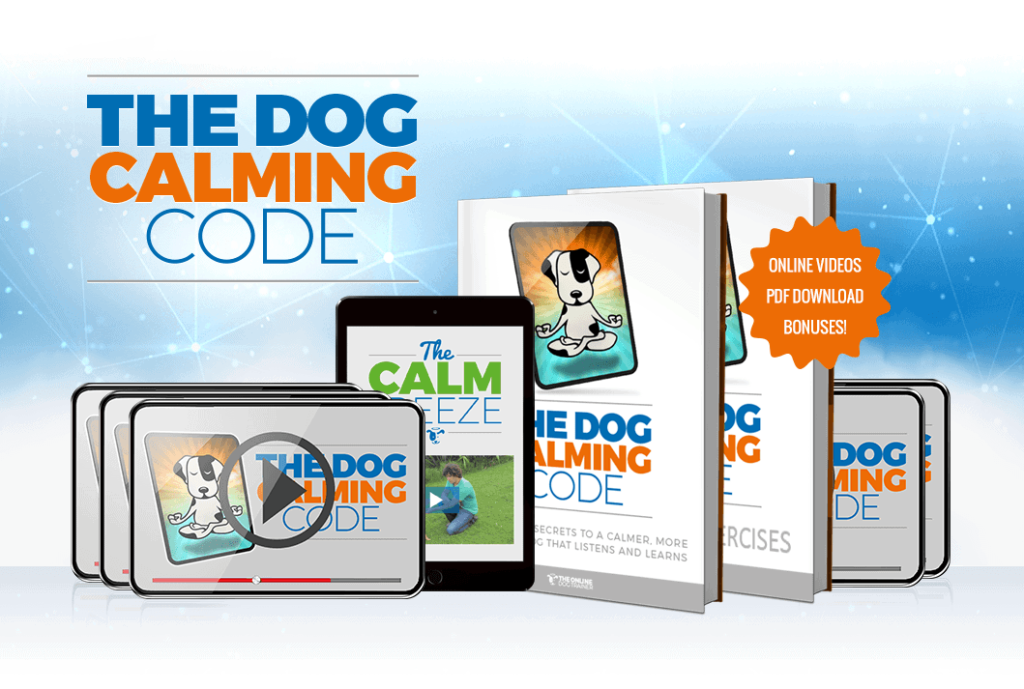
This is one reason I recommend Doggy Dan’s training program, The Dog Calming Code. It teaches owners how to create a calmer, more secure dog by addressing the way dogs think and respond to everyday situations.
For dogs that react aggressively toward other dogs, that matters. Many of these dogs are not trying to be difficult. They’re reacting because they feel unsafe, overstimulated, frustrated, or unsure what to do.
A good training approach will help your dog feel more confident and give you a clear way to handle situations before they turn into barking, lunging, or fighting.
You can read my post, Training to Stop Dog Aggression for information about how The Dog Calming Code works, read my full review of The Dog Calming Code, or access it directly here.
Dog Aggression Toward Other Dogs Can Improve
If your dog is aggressive toward other dogs, don’t assume the situation is hopeless. Many dogs can improve with better management, safer routines, and the right training approach.
Start by avoiding situations that are likely to trigger your dog. Give your dog more distance from other dogs on walks. Manage dogs in the same household carefully. Pay attention to warning signs. And don’t punish your dog for communicating discomfort.
And do the proper training I’ve recommended. Most dogs improve dramatically when owners understand what’s causing the aggression and follow a consistent training plan.
Don’t forget to grab my free checklist with dog aggression safety tips:
For a full overview of dog aggression and how to address it, read my Ultimate Guide to Understanding & Managing Dog Aggression.
For More Help With Dog Aggression
- What is Dog Aggression? Dog Behaviorist Explains
- Why Your Dog Thinks Aggression is Necessary
- Why is My Dog Suddenly Aggressive?
- Dog Aggressive Toward Other Dogs?
- Dog Aggressive Toward People?
- Dog Aggression Towards Owner
- Dog Aggression Toward Children: A Parent's Guide
- Fear Aggression Dog Training
- Dog Food Aggression Training
- Stop Dogs Fighting: 7 Ways to Stop It and How to Prevent It
- What to Do (and NOT Do) if an Aggressive Dog Approaches You
- Why Do Dogs Growl? When It's Normal and When It's NOT
- Common Misconceptions About Dog Aggression
- Dangerous Dog Behavior: Solving Serious Aggression
Pin it for Later!