I know from personal experience that dog aggression can be one of the most frightening and isolating experiences a dog owner faces. Whether it’s a growl over a food bowl, a lunge at another dog on a walk, or a bite that came from out of nowhere, know that aggression is your dog’s way of communicating something is wrong.
This guide covers everything you need to know about how to understand and manage dog aggression, including what causes dog aggression, the different forms it takes, how to stay safe, and the exact training approach I’ve recommended to readers for more than 10 years.
Grab my free list of dog aggression safety tips!
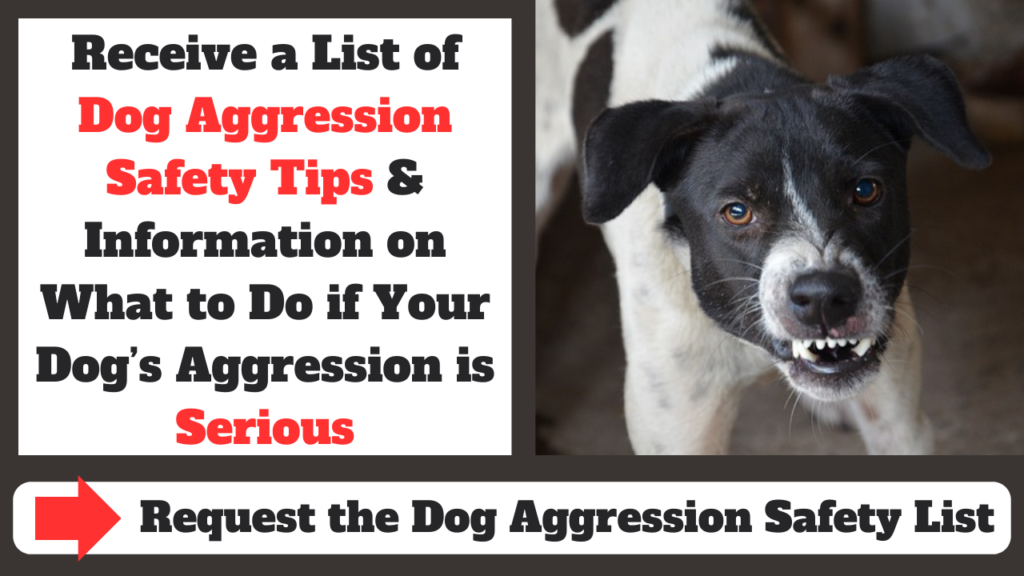
Watch My Video: Dog Training for Aggressive Dogs
I have so much coverage on my site and YouTube channel about dog aggression because it’s a serious issue — one that affects the safety of your family, your dog, and everyone around you. In this video, I explain why it’s so important to get control of dog aggression early, and how proper training solves it at the root cause.
Common Misconceptions About Dog Aggression
Before you can solve dog aggression, it helps to unlearn a few myths that tend to get in the way. Many owners assume aggression is about breed, size, or gender — none of which hold up under real scrutiny. I break these down in detail in my post, Misconceptions About Dog Aggression.
It’s also easy to confuse aggression with reactivity, but they’re not the same thing, and the distinction matters for how you approach training. Dog reactivity is usually about a trigger of some sort, like seeing another dog while out on a walk. Aggression is when your dog takes it up a notch and begins growling, barking or lunging. Read my post, Dog Aggression vs Reactivity: What’s the Difference? to understand which one your dog is actually showing.
You also might be wondering if your dog really is aggressive…or not? If you’re wondering whether growling should be considered aggressive behavior, check out Why Do Dogs Growl? When It’s Normal and When It’s NOT — growling is communication, and learning to read it early can prevent bigger issues down the road.
Growling is one of the most common warnings of aggressive behavior. It’s important to know if that’s your dog’s intention or if there’s another reason for the growling. But my suggestion is to err on the side of caution and education yourself regarding dog aggression if you feel like your dog’s growling is unusual.
Why is Your Dog Being Aggressive?
Aggression rarely comes out of nowhere, even when it feels sudden. There’s almost always a build-up of stress, fear, or unclear leadership behind it. Ask yourself what seems to trigger your dog:
If your dog has always exhibited aggressive behavior in general, read my post, Why Is My Dog Being Aggressive? Common Causes Explained to learn some common reasons why your dog is being aggressive.
If the behavior seems to have appeared overnight, read my post, Why Is My Dog Suddenly Aggressive? What Changed? Sudden changes in behavior often have a specific trigger worth identifying, and I go over how to spot those in that post. Sudden behavior changes should always be a red flag for a dog owner. If your dog begins to snap at people, growls for no reason, stays away from people…even if there’s a change in your dog’s appetite…take it seriously.
I also explain the underlying dog psychology in my post, Why Your Dog Thinks Aggression Is Necessary, which gets at the heart of why dogs behave aggressively. Your dog behaving aggressively is a decision. You’ll likely be as shocked as I was when you learn why your dog has decided that aggression is necessary. But you’ll also realize it likely makes perfect sense!
6 Common Types of Dog Aggression
Not all dog aggression looks or comes from the same place. Some dogs act out of fear, others are guarding a resource, and others have simply never been taught who’s in charge. Understanding which type you’re dealing with is the first step toward solving it. Deciding on the right training approach depends on the root cause, not just the behavior you’re seeing.
You can read the full breakdown in Aggressive Dog Behavior Explained.
Dog Aggression Toward Other Dogs
Aggression toward other dogs often shows up on walks or at the dog park. It’s when your dog starts lunging, growling, or snapping when another dog gets too close. This is frequently rooted in fear or a lack of confidence rather than genuine hostility, and it can usually be resolved once your dog no longer feels they need to manage every encounter themselves.
You can learn more about why dogs are aggressive toward other dogs and exactly how to address in my post, Dog Aggressive Toward Other Dogs?
This is the type of dog aggression I had personal experience with. I had a dog who would go absolutely crazy every time she saw another dog. It was shocking!
If the issue is between two dogs in your own home, read Stop Dogs Fighting: 7 Ways to Stop It and How to Prevent It for safe and effective ways to find out why it’s happening and how to stop it. I think this is an important issue. No dog deserves to have conflict, especially if it escalates to physical altercations, in their own home. Read that post to help them get along!
Dog Aggression Toward People
When a dog shows aggression toward people, it’s one of the more serious forms to deal with, but also one of the more common. Whether the aggression is directed at strangers, visitors, or specific people in your dog’s life, this behavior almost always traces back to fear or a perceived threat, not a desire to cause harm.
Please stop saying your dog is angry, wants revenge, or just doesn’t like somebody or people in general. Once you get to the root of why it’s happening, you’ll likely feel sorry for your dog and be happy you can help them most past this. Learn more in my post, Dog Aggressive Toward People? Here’s Why.
Dog Aggression Towards Owner
It can be especially painful and confusing when your own dog shows aggression toward you. This usually isn’t about disrespect — it’s often a sign your dog hasn’t been given clear, calm leadership, and is instead trying (and struggling) to fill that role themselves.
Obviously you have to take this seriously, not only for your own personal safety, but for the happiness of your dog. Believe me when I tell you, there’s a reason. And once you learn what that reason is, you’ll be relieved you can help your dog to interact with you appropriately.
Find out exactly what to do in my post, Dog Aggression Towards Owner: Understanding the Triggers.
Dog Food Aggression
Food aggression, sometimes referred to as resource guarding, happens when a dog feels the need to protect their food, bowl, or treats from people or other pets. It can range from a low growl to more serious snapping, and it’s one of the most common — and most trainable — forms of aggression.
I had a Miniature Dachshund several years ago who I adopted from an animal shelter. When I went to pick her up, I was shocked at the number of dogs that were freely running around the shelter. Shortly after adopting her, I realized she was extremely protective around her food. But it made sense! She had spent all those months surrounded by other dogs, and perhaps she felt she wouldn’t get enough food. Or maybe some days she actually didn’t. So it made sense that she’d feel the need to protect her food.
If your dog is aggressive around food, read my post, Dog Food Aggression Training. In that post, you’ll get a link for a free tutorial from Professional Dog Trainer, Doggy Dan, about resource guarding along with a video where you’ll see Doggy Dan teaching his Beagle to stop being aggressive around food. Super helpful!
Fear Aggression
Fear aggression is exactly what it sounds like: a dog reacting aggressively because they feel threatened, cornered, or unsafe. It’s one of the most misunderstood forms of aggression, since a fearful dog can look every bit as intense as a truly aggressive one — but the underlying cause, and the fix, are completely different.
Learn to recognize and address it in my post, Fear Aggression Dog Training. In that post, we talk about several signs of fear aggression. Always remember: a scared dog is a dangerous dog. Even a dog who is terrified and has no ill intentions may feel forced to bite if they feel cornered or particularly frightened.
Dominant Dog Behavior
A dog that constantly challenges you — for the couch, the doorway, or simply the final say — may be showing signs of dominance-related aggression. This doesn’t mean you need to overpower your dog; it means your dog needs to clearly understand that you’re the one making decisions, not them.
Also realize that what you see as dominant behavior may actually be more related to resource guarding as we discussed above. They may not be fighting you for stuff, but rather feel a need to protect stuff.
This one bothers me a bit, because I hate when people talk about dominating their dog, holding the dog down, forcing the dog into submission. It’s just stupid, and in my opinion has more to do with the dog owner’s inflated ego than anything reasonably close to effective dog training techniques.
I’m just sayin.
Dominance-related aggression can be effectively solved just like any other form of aggression. Read How to Train a Dominant Dog: How to Be the One in Control for the full approach.
Puppy Aggression
Aggression can start surprisingly young, and it’s easy to dismiss early nipping or growling as “just a phase.” While some mouthing and biting is normal puppy behavior, real aggressive patterns are much easier to correct now than after they’ve become habits in an adult dog.
See what to watch for and how to respond in my post, How to Stop a Puppy from Being Aggressive.
Don’t go overboard on this but do remember: aggressive behavior may seem harmless or even cute now, but when the dog is full size and downright aggressive…not so funny. It’s best to correct it while they’re young. And honestly, if your puppy’s behavior seems a little mean…not just regular puppy behavior, you may be right.
Leash Aggression
Leash aggression can be misunderstood because sometimes, like we discussed earlier, aggression can actually be reactivity. Both leash aggression and leash reactivity exist, but if you feel like your dog is aggressive on the leash, read my post Dog Training for Leash Reactivity. It explains the difference, and the steps to solve it are similar regardless.
Staying Safe Around an Aggressive Dog
Before any training can happen, safety comes first — for you, your family, and the dog. If your dog’s aggression is severe, or if you’re concerned about an encounter with someone else’s dog, these posts cover what to actually do in the moment:
Dangerous Dog Behavior walks through the warning signs to watch for, and my post, Help with Dog Aggression dives deeper into dog aggression that’s truly scaring you.
Don’t forget to grab your free checklist for staying safe around aggressive dogs here.
How to Stop Dog Aggression
Here’s the good news: virtually all dogs can be trained out of aggressive behavior, regardless of the cause. The key is addressing the root of the problem — not just the surface behavior — which is where most traditional training falls short.
I walk through this in detail in How to Stop a Dog from Being Aggressive: A REAL Solution and How to Train a Reactive or Aggressive Dog.
Already working on training and not seeing the results you hoped for? Read 5 Signs Your Dog Aggression Training Isn’t Working to figure out what might be missing from your approach.
Recommended Training for Dog Aggression
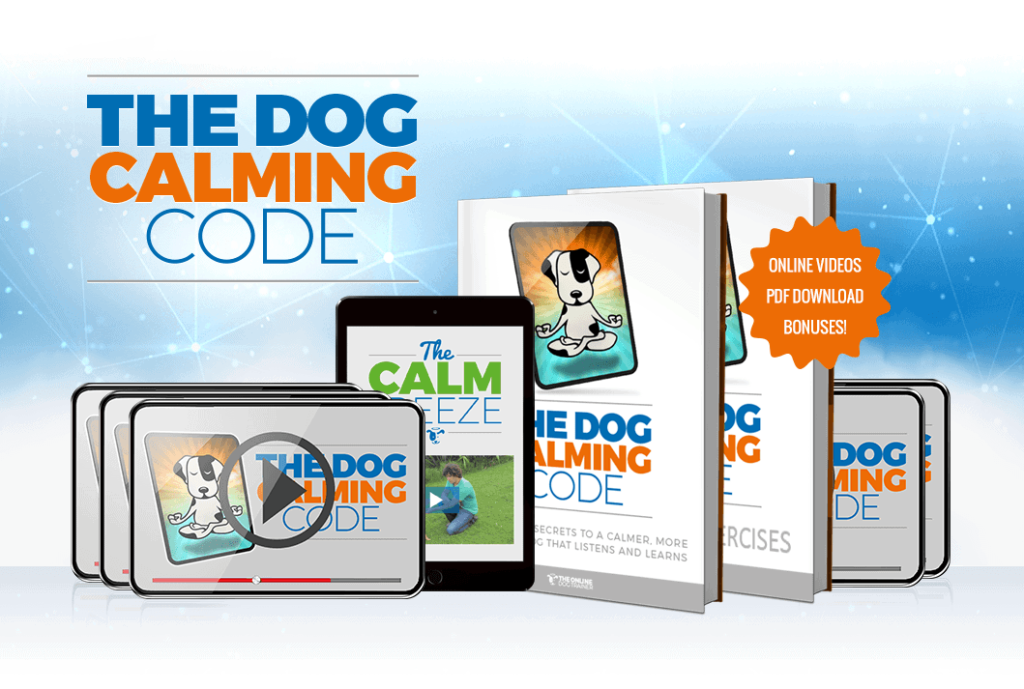
After more than 10 years of researching dog training programs, the one I recommend most for aggression is The Dog Calming Code, created by Professional Dog Trainer and Behavioral Specialist, Doggy Dan. It’s built around simple, proven exercises that get to the root cause of aggression — helping your dog feel safe enough to stop acting as the “protector” of you and your home — rather than just suppressing the symptoms.
You can read my full review of The Dog Calming Code here. For a more detailed look at exactly how this program helps with aggression specifically, read Training to Stop Dog Aggression.
Training for More Serious Dog Aggression
If your dog’s aggression is more serious — frequent, unpredictable, or involving real safety concerns around people, other animals, or objects — you may want more specialized, in-depth training. In that case, I recommend Doggy Dan’s dedicated program, Solve Reactivity & Aggression, which walks through specific real-world scenarios in far more depth. You can read my full review of the program here.
A Note From a Trusted Source
For additional, independent guidance on dog aggression, the American Kennel Club offers a helpful overview: Aggression in Dogs: Signs, Symptoms, Treatments.
Don’t Give Up On Your Dog!
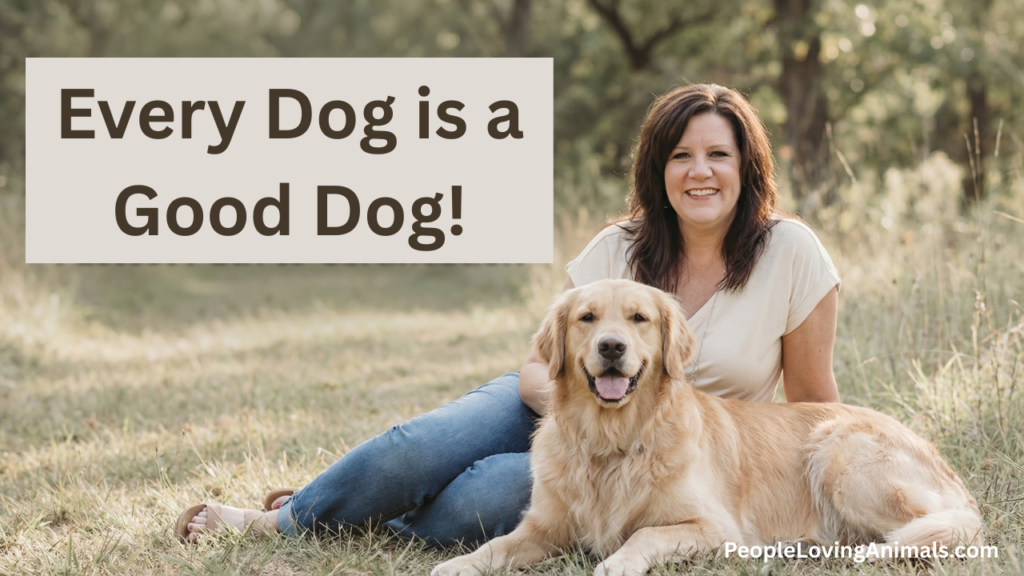
Doggy Dan always says that every dog is a good dog, and I wholeheartedly agree. From everything I’ve learned about dog aggression over the last 10 years of researching the topic for my website, I’ve realized one thing: a dog is never being aggressive because they’re mean, angry at you, selfish, etc. Dogs just don’t think that way. Aggression always has a reason, and a solution. I hope the material I’ve provided today helps you to get it solved.
Remember that aggressive behavior is not only uncomfortable for you, it is for your dog as well. They are struggling – and it’s your job as the dog’s owner to find out why and how to solve it. Your dog needs you!
Have a question about your dog’s specific situation, or want to share what’s worked (or hasn’t) for you? Leave a comment below!