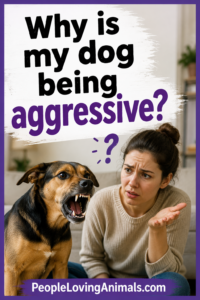
Aggressive behavior is one of the most upsetting problems dog owners face. Whether your dog growls, barks, lunges, snaps, or bites, it’s natural to feel concerned and want answers about why your dog is being aggressive.
The good news is that dogs are rarely aggressive for no reason. In most cases, aggression is a symptom of an underlying issue. Understanding what may be causing your dog’s behavior is the first step toward helping your dog become calmer, safer, and easier to manage.
If you’re new to this topic, you may also want to read my article about What Is Dog Aggression? Dog Behaviorist Explains, which explains what aggression is and the different ways it can appear in dogs.
Affiliate Disclosure: This post contains affiliate links. If you make a purchase, I’ll earn a commission (at no extra cost to you). I donate 10% of my profits to animal charities.
👉 Need a fast solution? Check out The Dog Calming Code, my top recommendation for dog aggression training.
Fear is One of the Most Common Causes of Dog Aggression
Many dogs behave aggressively because of fear. When a dog feels threatened, trapped, cornered, or overwhelmed, aggression may become a form of self-defense. From the dog’s perspective, growling, barking, or lunging helps create distance from whatever is causing fear.
Fear-based aggression may be directed toward strangers, children, visitors, other dogs, or unfamiliar situations. While some people assume these dogs are trying to be dominant, fear is often the real issue.
I feel sorry for dogs who are labeled aggressive or mean, when they’re really just doing what they think they have to do to keep themselves, or you, or the kids, or the property…safe. Some dogs see this as a huge responsibility.
If fear appears to be contributing to your dog’s behavior, you may find my article on Fear Aggression Dog Training helpful.
Resource Guarding Can Trigger Aggressive Behavior
Some dogs become aggressive when they believe something valuable is being threatened. This might include food, treats, toys, sleeping areas, or even favorite family members. The dog worries that something important could be taken away and reacts aggressively to prevent it.
This behavior is commonly known as resource guarding. It can range from mild growling to more serious aggressive reactions if left unaddressed.
If your dog’s aggression occurs around meals or food bowls, be sure to read my article on Dog Food Aggression Training. You can also watch this video from Professional Dog Trainer, Doggy Dan, on exactly how to work with a dog that shows food aggression.
Pain and Medical Problems Can Cause Aggression
Physical discomfort can dramatically affect a dog’s behavior. Dogs experiencing pain may become defensive when touched, approached, picked up, or handled. Arthritis, injuries, dental pain, ear infections, and other health problems can all contribute to aggressive behavior.
If your dog’s aggression appeared suddenly or seems out of character, it’s important to schedule a veterinary examination. A medical issue may be playing a role. You can read this article about possible medical conditions causing aggression for more information.
I think this issue is particularly important if you have kids. Your dog, who may adore your children any other time, may snap or even bite if they are in extreme pain and the child approaches or touches the dog.
Frustration Can Look Like Aggression
Not all aggressive behavior comes from fear or protection. Some dogs become aggressive because they are frustrated. For example, a dog may desperately want to reach another dog, person, or exciting distraction but be prevented from doing so by a leash, fence, crate, or window.
Over time, that frustration can build and begin to resemble aggression. The dog may bark, lunge, or react intensely because it has difficulty coping with strong emotions.
This can sometimes be described as leash reactivity. You can read more about it in my article, Dog Training for Leash Reactivity: Steps to Calm Your Dog.
Dogs Learn That Aggression Works
Dogs repeat behaviors that produce results. If growling causes a person to back away or barking causes another dog to leave, the dog may learn that aggressive behavior is an effective solution. And well, I guess in a dog’s life, it sometimes is.
This doesn’t mean your dog is being stubborn or mean. It simply means the behavior successfully achieved the dog’s goal. I discuss this concept in more detail in my article Why Your Dog Thinks Aggression Is Necessary.
This is a great time to introduce you to Professional Dog Trainer, Doggy Dan, who explains in this video exactly why your dog thinks aggression is necessary. It’s quite fascinating.

Look for Patterns in Your Dog’s Aggressive Behavior
If you’re trying to understand why your dog is aggressive, start looking for patterns.
Ask yourself:
- Who is your dog aggressive toward?
- Where does the behavior occur?
- What happens immediately before the aggression?
- Does the aggression involve food, toys, territory, handling, or fear?
- Are there specific situations that seem to trigger the behavior?
The answers often provide valuable clues about the root cause of the aggression.
It’s also important to pay attention to warning signs such as growling. Many dogs try to communicate discomfort before their behavior escalates. You may find my article Why Do Dogs Growl? When It’s Normal and When It’s NOT helpful.

Understanding the Cause is the First Step Toward Change
Many dog owners focus entirely on stopping the growling, barking, or lunging. However, lasting improvement usually comes from understanding and addressing the reason behind the behavior.
Whether your dog’s aggression is caused by fear, resource guarding, pain, frustration, or learned behavior, identifying the root cause will help you choose the most effective path to get it solved.
For a complete guide to addressing aggressive behavior, be sure to read my dog aggression guide, How to Stop a Dog from Being Aggressive (includes video).
Training for Dog Aggression
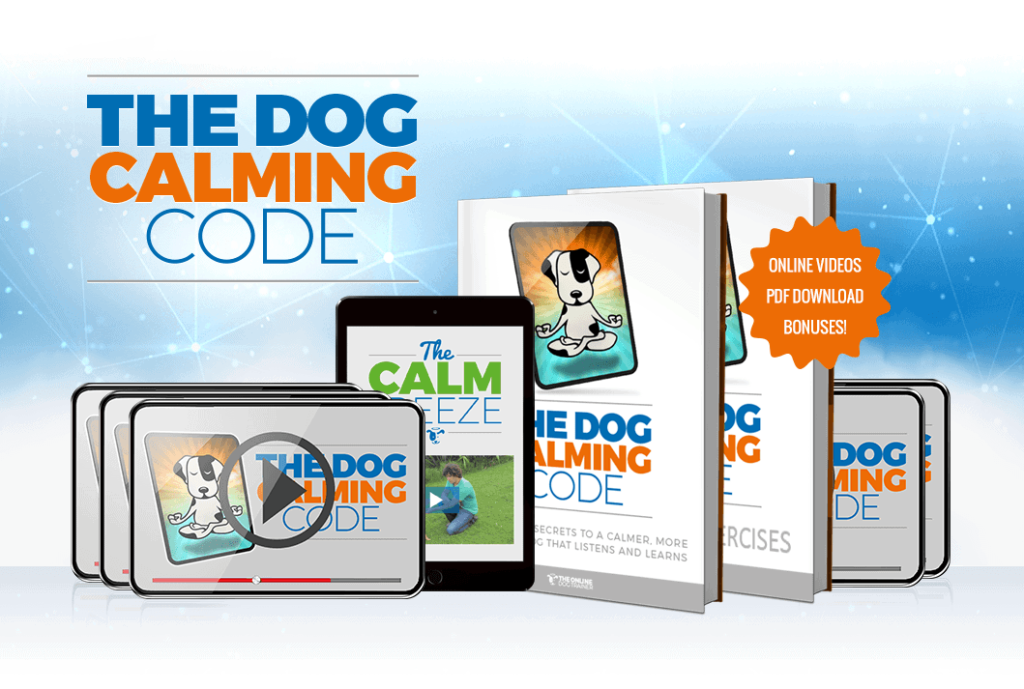
If you’re ready to start working on your dog’s aggression, I recommend The Dog Calming Code, a training program specifically designed to address problem behaviors by changing the way dogs think and respond to everyday situations. You can read my full review here.
You can also read more about how effective training can solve dog aggression here.
More Information About Dog Aggression
- Training to Stop Dog Aggression
- What Is Dog Aggression?
- Fear Aggression Dog Training
- Dog Food Aggression Training
- Misconceptions About Dog Aggression
- Why Your Dog Thinks Aggression Is Necessary
- How to Train a Reactive or Aggressive Dog
For help with more dog behavior issues, read my Complete Dog Training Guide.
Pin it for Later!