
Training your dog can feel overwhelming. One expert says one thing, another trainer says the opposite, and suddenly you’re not sure what advice to follow. If you’re trying to raise a well-behaved, happy dog, the conflicting information about how to train your dog can make the process confusing and frustrating.
This guide cuts through the noise. Here you’ll learn the core principles behind effective dog training, understand how dogs actually learn, and find clear guidance on the most common behavior issues owners face.
Each section will also direct you to more detailed training guides so you can solve specific problems step by step.
- Why training your dog matters
- When to start training your dog
- How dogs actually learn
- Common dog behavior problems and solutions
- Recommended online dog training programs
- How to stay consistent with training
Why Training Your Dog Matters
Training isn’t just about teaching commands. It’s about creating a calm, trusting relationship between you and your dog.
A trained dog understands what is expected. That clarity reduces anxiety, prevents destructive behavior, and makes everyday life far more enjoyable for both of you. Instead of constant frustration or correction, communication becomes easier and more natural.
Training also improves safety. A dog that understands recall, leash manners, and boundaries is less likely to run into danger or cause stressful situations with people or other dogs.
I once had a Beagle named Daisy. While visiting at my sister’s house, Daisy and my sister’s dog, Naomi, were outside playing together. I looked out the window and saw Naomi heading for the road, and Daisy followed!
I quickly ran to front porch, called Daisy’s name and said, “You stay!” While Naomi crossed the road (luckily no traffic coming), Daisy stayed put.
So dog training really does matter. Your dog needs to obey you for their own safety.
Most importantly, training strengthens the bond you share with your dog. When your dog trusts your leadership and understands your guidance, the relationship becomes more relaxed, respectful, and rewarding.
When to Start Training Your Dog
Many people assume training only applies to puppies. In reality, dog training should begin the moment a dog enters your home — no matter the dog’s age.
When you adopt or bring home a dog, everything about their environment changes. New routines, new rules, and new expectations all appear at once. Early guidance helps your dog understand how life works in their new home.
The good news is that it’s never too late to train a dog. Adult dogs and even senior dogs can learn new behaviors, especially when training is clear, consistent, and calm. Read my post, Is It Too Late To Train My Dog? (includes video) for more help with an older dog.
What matters most is not the dog’s age, but the owner’s willingness to provide steady leadership and consistent expectations.
The Foundation: How Dogs Actually Learn
Effective dog training begins with understanding how dogs think and respond to their environment. Dogs are social animals that evolved to live in structured groups. In those groups, clear leadership helps maintain order and safety.
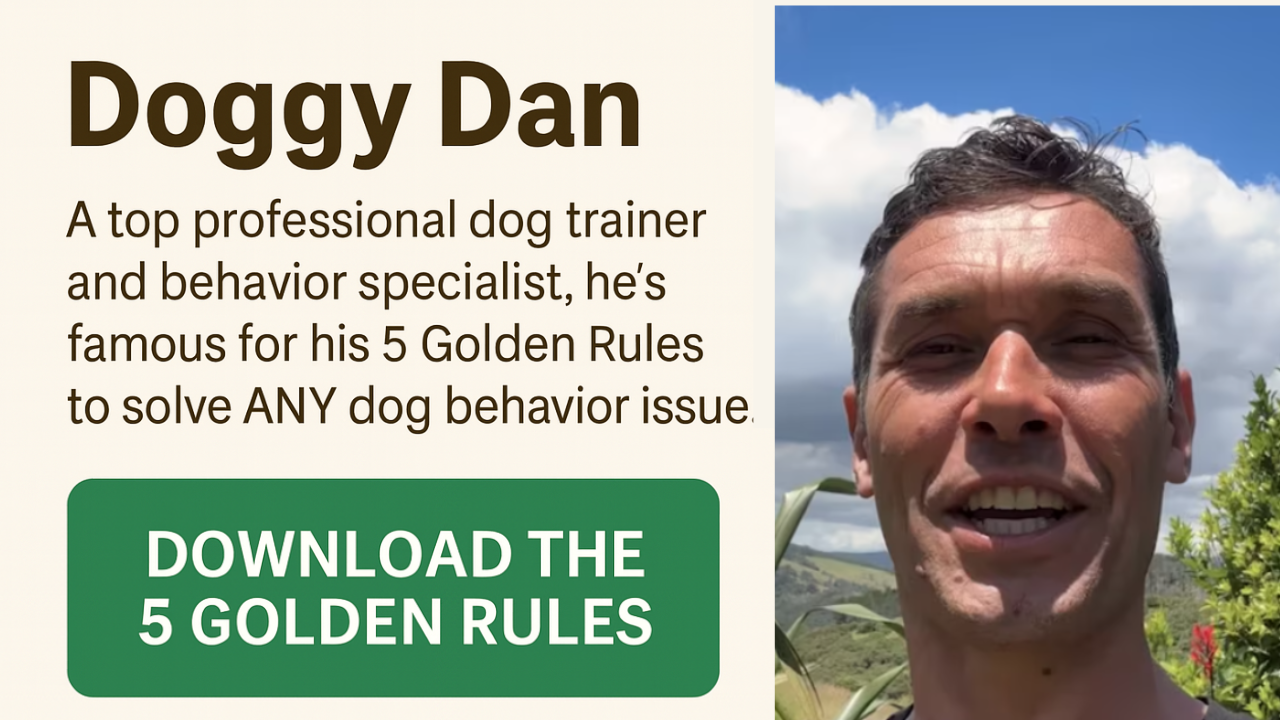
According to professional dog trainer Doggy Dan, most dogs naturally prefer to follow rather than lead. In the wild, there is only one leader within a pack. The rest of the group follows that leadership because it creates stability and reduces conflict. When dogs feel responsible for leadership inside a home, it can actually create stress and confusion.
Many common behavior problems — including barking, aggression, anxiety, and reactivity — often appear when a dog feels uncertain about structure or responsibility.
When you calmly establish yourself as the leader of the household, your dog no longer feels the pressure to control situations. This often leads to a calmer dog, clearer communication, and a stronger bond between you and your pet.
Consistency is the key. Dogs learn through repetition, routine, and clear expectations. Make sure everyone in your household is on the same page with the dog training methods being used for your dog.
According to the American Kennel Club, consistent training and clear communication help dogs understand expectations and respond more reliably.
Watch the video below to hear Doggy Dan explaining his dog training philosophy:
Common Dog Behavior Problems and Solutions
Dog owners often encounter specific behavior challenges as they train their dogs. Understanding why these behaviors happen is the first step toward solving them effectively. The guides below cover some of the most common dog behavior problems and explain practical training approaches you can use to address each one.
Excessive Barking
Barking is a normal form of communication for dogs, but excessive barking can quickly become stressful for both owners and neighbors.
Dogs bark for many different reasons including boredom, anxiety, alerting behavior, territorial instincts, or excitement. Identifying the reason behind the barking is the first step toward resolving it.
Read my complete guide to stopping excessive barking, Ways to Stop Dog Barking: Quick Fixes & Real Solutions (includes video). That guide explains why dogs bark and includes 7 tips to stop dog barking, plus a free tutorial from Professional Dog Trainer, Doggy Dan.
Leash Pulling
Many dogs naturally pull on the leash because they are excited to explore their surroundings. Unfortunately, this can make daily walks frustrating and physically difficult.
Loose leash training helps your dog learn that walking calmly beside you is the most rewarding way to move forward. With consistency, most dogs can learn polite leash behavior fairly quickly.
Read my complete guide to leash training, Train Your Dog to Walk with a Leash (includes video.) That guide includes tips to get the walk off to a good start, plus provides access to tons of free tips and training about all aspects of leash training.
Potty Training
Even adult dogs may struggle with house training when they move into a new environment. Stress, routine changes, and confusion about where they should go can all contribute to accidents.
Clear routines, supervision, and consistent reinforcement help dogs quickly understand appropriate bathroom habits.
Read my complete guide to potty training, How to Potty Train an Adult Dog (includes video). In that guide, you’ll learn how to create a reliable house training routine, motivate your dog to go potty outside when you take them out and how to handle overnight training successfully.
You’ll also learn how to teach your dog to use one specific potty area. This saves a ton of time and work keeping the yard clean, plus allows you and your family to enjoy the rest of the yard without stepping in poop!
The guide also includes access to a full video walkthrough of a live consultation showing the entire process step by step.
Dog Anxiety
Sadly, anxiety is a common issue for many dogs. Loud noises, unfamiliar environments, changes in routine, or new people and animals can all cause a dog to feel nervous or overwhelmed. Anxious dogs may show signs such as pacing, whining, trembling, hiding, destructive behavior, or excessive licking.
Helping an anxious dog starts with understanding the source of the stress and creating a calm, predictable environment. “Predictable” is the operative word here: dogs thrive on routine and knowing what to expect next.
With patience, clear leadership, and the right training approach, most dogs can learn to feel more secure and confident.
Read my complete guide to dog anxiety called, What is Dog Anxiety? (includes video). This guide explains common dog anxiety symptoms, what causes dog anxiety, the dangers anxiety can create for dogs and their owners, and how dog training can help treat and manage anxiety.
Separation Anxiety
Some dogs experience significant stress when left alone. This can lead to behaviors such as whining, pacing, destructive chewing, or attempts to escape.
Read my complete guide to separation anxiety in dogs, Treating Dog Separation Anxiety (includes video). This guide explains the signs of dog separation anxiety, common causes, and training strategies that can help reduce it.
It also covers ways to prevent separation anxiety, provide comfort for your dog, how to use crate training appropriately, and consider calming aids that may help anxious dogs.
Dog Reactivity
Reactivity occurs when dogs overreact to certain triggers such as other dogs, people, bicycles, or unfamiliar environments.
Reactive behavior may include barking, lunging, or intense focus on the trigger. While it can sometimes look like aggression, reactivity is often rooted in fear, frustration, or overstimulation.
Read my complete guide to dog reactivity called, Understanding and Solving Dog Reactivity. This post includes a free dog reactivity webclass from professional dog trainer, Doggy Dan, that explains the real causes of dog reactivity, why traditional training methods often fail, and effective training approaches that can help resolve reactive behavior.
The free webclass also covers how to enjoy calmer walks with your dog and includes a live Q&A where Doggy Dan answers common questions and provides guidance for specific situations.
Recall Training
Teaching your dog to reliably come when called is one of the most important skills any dog can learn, as I explained in my story about Daisy. Also, if you live in a city, teaching recall is even more important due to the amount of traffic and the possibility of your dog getting lost.
Strong recall training protects your dog from danger and allows for more freedom during outdoor activities. It also builds trust and responsiveness between you and your dog.
Read my complete guide to recall training called, Dog Recall Training: Why Dogs Won’t Come When Called (includes video). This guide includes a free professional dog recall tutorial, covers the four most common reasons dogs refuse to come when called, and explains why many traditional recall training methods fail.
Dog Aggression
One of the most concerning problems dog owners face is aggression. Growling, lunging, snapping, or biting behavior can feel frightening and unpredictable if you don’t understand what’s causing it.
Aggression often develops from fear, insecurity, territorial instincts, or confusion about leadership. Understanding the root cause is essential before trying to correct the behavior.
Read my complete guide to dog aggression called, How to Stop a Dog from Being Aggressive (includes video). This guide explains common misconceptions about dog aggression, what actually causes aggressive behavior, and how to address aggression toward both other dogs and people.
It also covers practical, easy-to-follow training methods that can help reduce aggressive behavior.
Pack Leader Training
Leadership is the foundation of a well-behaved dog. When dogs understand that their owner provides calm, consistent leadership, many behavioral problems naturally begin to disappear.
Pack leader training focuses on communication, boundaries, and helping your dog feel secure within the household structure.
Read my complete guide to pack leader training called, How to Be Pack Leader to Your Dog (includes video). This guide explains why being the pack leader to your dog is so important and how taking on that role helps your dog look to you for guidance, leadership, and direction.
You’ll also learn practical ways to establish calm, consistent leadership so your dog understands that you are the one making decisions and setting expectations.
Doggy Dan says that stepping up as pack leader for your dog is one of the most kind, loving things you’ll ever do for your dog. I agree!
Online Dog Training Programs
Many dog owners find that a structured training program makes dog training easier and more consistent, especially when they are trying to solve behavior problems at home.
One resource I often recommend is TheOnlineDogTrainer.com, created by professional dog trainer and behavioral specialist Doggy Dan. I’ve promoted his programs for more than 10 years because the lessons are easy to follow and based on calm, effective, kind training methods.
His training explains dog behavior in simple language and provides step-by-step guidance that dog owners can apply immediately with their own dogs.
Something else I like about his dog training website is that it’s video-based, which allows the whole family to watch the videos together so everybody is on the same page and consistent with the training methods. That will help your dog immensely!
You can also skip around the site to address any issues you’re currently dealing with, plus have lifelong access to the training in case you run into behavior issues in the future.
You can read my full review of The Online Dog Trainer here.
You can also view comparisons to several dog training programs in my post, Dog Training Programs Compared.
How to Stay Consistent With Training
Consistency is the single most important factor in successful dog training. Dogs learn through repetition and clear expectations. If rules change from day to day, dogs become confused and behaviors are much harder to improve.
Establish simple routines for feeding, walks, training sessions, and rest. Even short training sessions of five to ten minutes can produce excellent results when practiced regularly.
It also helps to focus on one behavior at a time. Trying to solve multiple training issues at once can overwhelm both you and your dog.
Patience and calm leadership go much further than frustration or punishment.
Frequently Asked Questions About Dog Training
Dog owners often have similar questions when they begin training their dogs. Here are a few common questions about dog training and behavior:
How long does it take to train a dog? Training timelines vary depending on the dog’s age, temperament, and previous experiences. Some behaviors can improve within days, while others may require several weeks of consistent practice. With patience, clear communication, and regular training sessions, most dogs can make steady progress and develop good behavior.
Why does my dog ignore my commands? Dogs often ignore commands when they are distracted, confused about what is expected, or have not yet learned the behavior reliably. Consistency is essential. Use the same command every time, practice in low-distraction environments first, and reward your dog with praise or a treat when they respond correctly.
Are some dog behavior problems harder to train than others? Yes. Many basic behaviors such as sit, stay, and recall can often be learned fairly quickly with clear guidance and rewards. More complex behavior problems, such as aggression or reactivity, usually take more time and consistent training to improve.
Final Thoughts on Dog Training
Dog training doesn’t need to feel overwhelming. With a clear understanding of how dogs learn and consistent daily practice, most owners can successfully teach their dogs good behavior and build a strong, loving relationship with their dog.
If you want help with a specific dog training challenge, explore the detailed guides linked throughout this post. Each guide explains why the behavior is happening and provides effective steps you can follow to help solve it.
With patience and the right approach, you can build a calmer home, a stronger bond, and a happier life with your dog.
Ever thought of becoming a professional dog trainer? Get all the information you need to get started in my complete guide to become a dog trainer.
💬 Did this guide help you? If you have a question, helpful tips, or even a struggle related to this topic, please leave a comment below — it helps other readers more than you know.
If you also have a cat, puppy or kitten, check out my Complete Pet Training Guide for each!
Pin It for Later!