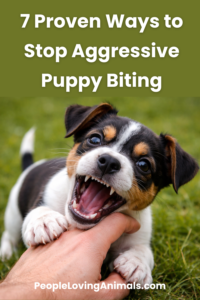
Your puppy’s aggressive biting can feel shocking and frustrating. While some biting is normal during puppy development, aggressive puppy biting is a behavior that should be addressed early to prevent it from becoming a serious problem as your dog grows.
In this post, you’ll learn how to recognize the difference between normal puppy biting and early signs of aggression, when aggressive puppy biting should be a concern, and seven proven ways to stop aggressive puppy biting quickly using calm, force-free training methods that build trust and confidence.
👉 Get the calm, step-by-step puppy plan that stops biting at the source
Affiliate Disclosure: This post contains affiliate links. If you make a purchase, I’ll earn a commission (at no extra cost to you). As an Amazon associate, I earn for qualifying purchases. I donate 10% of my profits to animal charities.
How to Tell if Puppy Biting is Normal or Aggressive
Most puppies bite because they’re learning how the world works—mouth-first. They explore texture, invite play, relieve teething discomfort, and test boundaries. Mouthing is common, especially during high-energy moments like evening zoomies, rough play, or when your puppy is overtired.
Biting becomes a concern when you see patterns like stiff body posture, hard staring, growling that escalates (not playful noises), repeated snapping, guarding food/toys/space, or intense biting aimed at stopping a person from approaching.
If your puppy is showing resource guarding or is growling at children, it’s smart to address it immediately—early help is faster and easier than trying to change the habit later.
7 Ways to Stop Aggressive Puppy Biting
Aggressive puppy biting can be stopped quickly when you use clear, consistent training that builds trust instead of fear. The key is to stay calm, set firm boundaries, and teach your puppy what to do instead of biting. These proven, force-free steps focus on early correction so the behavior does not become more serious as your puppy grows.
1) Never hit or slap your puppy. Fear and pain can increase defensive biting and damage trust.
2) Make biting mean “game over.” The instant teeth touch skin or clothing, calmly end attention for a brief moment (stand up, turn away, or step behind a gate).
3) Redirect to a chew toy every time. Keep a toy within reach and guide your puppy to chew the toy instead of your hands or clothing. You can find some puppy chew toys here.
4) Use short, boring time-outs to stop overstimulation. A short reset in a safe puppy area can help an overexcited pup settle.
5) Reward calm behavior consistently and often. Catch your puppy being gentle—four paws on the floor, calm play, chewing the right thing—and reward them with praise or a treat.
6) Teach bite inhibition (soft mouth). If your puppy bites hard, end play; if they mouth gently, allow play to continue. Puppies learn that gentle keeps the fun going.
7) Increase appropriate outlets: sleep, chewing, and structured play. Overtired puppies bite more. Add naps, provide satisfying chew toys, and keep play short and calm rather than wild and frantic.
Best Way to Stop Aggressive Puppy Biting: My Recommendation
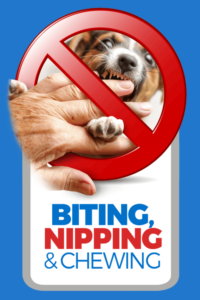
If your puppy’s biting feels intense, frequent, or aggressive, the fastest solution is a clear, step-by-step plan that focuses on bonding, confidence, and calm structure—not punishment. My top recommendation is Professional Dog Trainer, Doggy Dan’s new training program called, Biting, Nipping & Chewing. This program is easy-to-follow and it’s designed to address the real causes of biting while keeping everything force-free and relationship-first.
Stop Aggressive Puppy Biting by Fixing the Cause
Most puppy biting is normal (teething, play, exploration), but it becomes a red flag when you see stiff posture, guarding, snapping, or growling that escalates. The fastest improvement comes from consistent rules, lots of redirecting to appropriate chew toys, rewarding calm behavior, and teaching bite inhibition through structured play.
If you want a complete, force-free roadmap you can follow without guessing, use a step-by-step puppy program that builds trust and calm skills while you stop biting at the source. I know how discouraging puppy biting can feel—stick with the plan, and you really can turn this around.
You might like to check out my post, How to Stop a Puppy from Nipping, which talks more about Doggy Dan’s training program and explains the difference between biting and nipping.
In case you’re not familiar, Doggy Dan is a Professional Dog Trainer and Behavioral Specialist. I’ve been recommending his puppy training programs for more than 10 years because his methods are kind, effective and easy to use. You can meet Doggy Dan and learn about his puppy training methods here.
FAQ
When will my puppy stop biting? Most puppies improve as teething ends and training becomes consistent, often between 4–7 months, but you can reduce painful biting much sooner with daily practice.
Is it normal for a puppy to growl while biting? Play growling can be normal, but stiff posture, hard staring, guarding, and escalating intensity are warning signs that should be addressed right away.
What if my puppy bites my kids? Treat this as urgent: separate and manage closely, stop rough play, and get help early. If you feel like your puppy’s behavior is truly aggressive, read my post, How to Stop a Puppy from Being Aggressive (includes video).
More Help with Puppy Biting and Nipping
- How to Stop My Puppy from Biting: Biggest Mistake You're Making
- How to Stop a Puppy from Nipping
- 7 Ways to Stop Aggressive Puppy Biting
- Puppy Biting and Nipping Checklist
For help with specific puppy training issues, read my complete puppy training guide here.
For additional, behavior-focused guidance on puppy mouthing and nipping, see this resource from the ASPCA: Mouthing, Nipping and Biting in Puppies (ASPCA)
💬 Did this help you? If you have a question, helpful tips, or even a struggle related to this topic, please leave a comment below — it helps other readers more than you know.
Pin it for Later!